Find maple c tone bassoon with full silver key for schools, bands, and orchestras
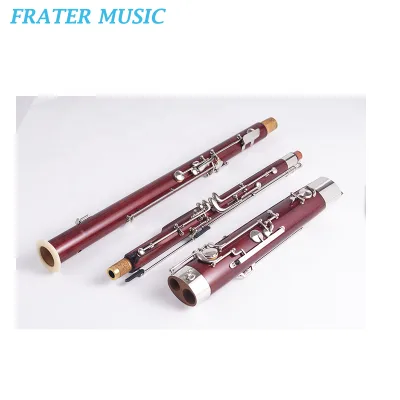
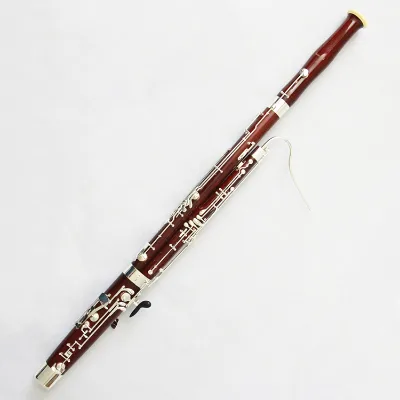
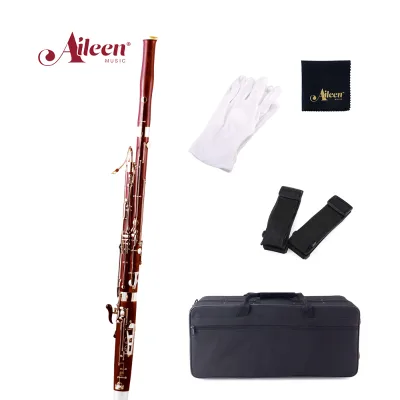
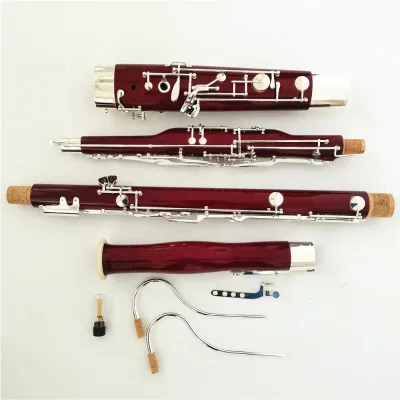
Source 30 listings for a maple c tone bassoon with full silver key, featuring adjustable holding mechanisms and silver-plated keys. Buyers can compare specifications from manufacturers in China to find suitable options for beginner or performance use.
Key considerations
Products List



Comprehensive Sourcing Guide
Strategic Sourcing Guide for Maple C Tone Bassoon with Full Silver Key
Understanding the Instrument Specifications and Material Composition
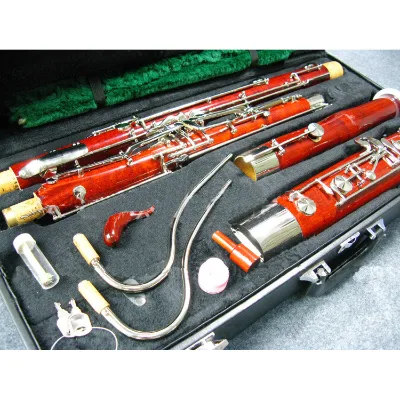
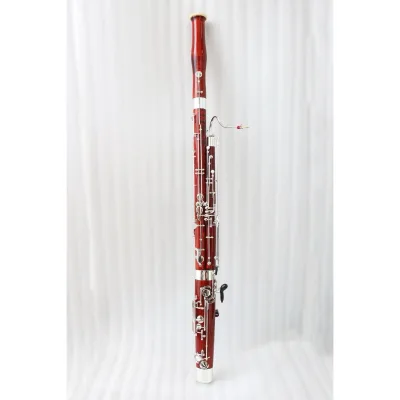
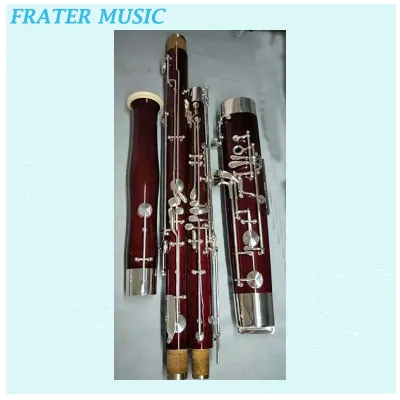
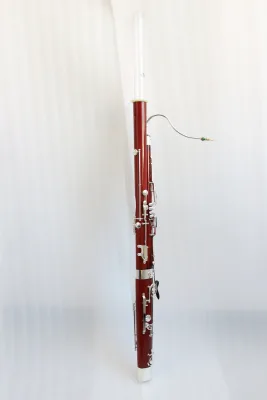
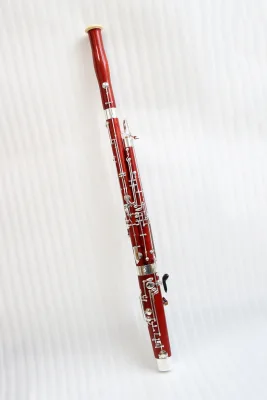
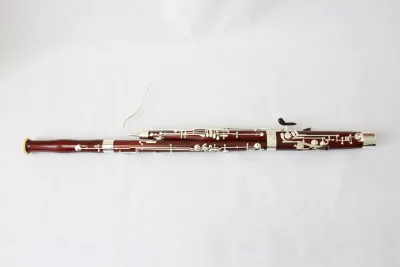
When sourcing a maple C tone bassoon with a full silver key, buyers must first distinguish between the specific acoustic requirements and the physical construction materials that define this instrument class. The core keyword implies a woodwind instrument where the body is constructed primarily from maple wood, a material chosen for its specific acoustic resonance and durability. In the context of the available product data, the body material is explicitly identified as "Maple" or "Wood," which aligns with the traditional construction of professional and semi-professional bassoons. This distinguishes the instrument from models made of ABS resin or ABS, which are typically found in beginner or children's instruments. The "C tone" designation refers to the fundamental pitch of the instrument, a critical specification that differentiates it from other tonalities such as B flat or BB, which are more common in tubas or euphoniums.
The "full silver key" requirement indicates a specific finish and material composition for the keywork. The supplied facts confirm the presence of "Silver Plated Key" and "Silver Plated" finish attributes. This is a significant differentiator from nickel silver or gold lacquer finishes found on other wind instruments. The key material is further specified as "Nickel Silver" in some contexts, which serves as the base metal for the plating. A full silver key system ensures that the instrument offers a specific tactile feel and acoustic response, often preferred by advanced players. Buyers should verify that the "Key Material" and "Finish" attributes match the "Silver Plated" description to ensure the instrument meets the aesthetic and functional expectations of a high-quality bassoon. The combination of a maple body and silver-plated keys suggests an instrument designed for performance rather than just basic practice, as indicated by the "Usage: Performance" attribute found in the data.
Technical Variations and Model Identification
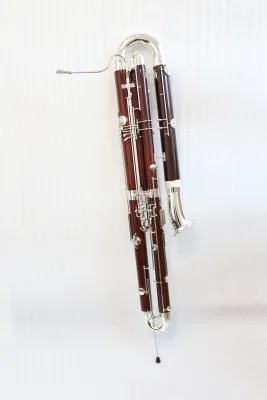
In the procurement process, it is essential to recognize that product models vary significantly even within the same category. The provided data lists multiple model identifiers, such as LKBA-1230, LKBA-1231, LKBA-1236, and BA-C7001N. While the core keyword focuses on a maple C tone bassoon, the data also includes entries for tubas (e.g., "Four vertical keys bass tuba") and other woodwind instruments. This highlights the importance of precise model verification. For instance, the model LKBA-1230 is associated with a "Wood" body material, which aligns with the maple requirement, whereas other models might be associated with ABS resin or different tonalities.
The number of keys is another critical technical specification. The data mentions "26" keys and "Tone:C" in relation to the number of keys, suggesting a specific configuration for the C tone bassoon. However, buyers must be cautious as some listings might refer to "26" keys in the context of a different instrument type or a specific variation. The "Style: Children Bassoon" attribute indicates that not all bassoons in the catalog are intended for the same user base. A maple C tone bassoon with full silver keys is typically not categorized as a "Children Bassoon" or "Beginner" usage, but rather for "Performance" or advanced levels. Therefore, when evaluating a supplier's catalog, the buyer must cross-reference the model number with the "Usage" and "Body" attributes to ensure the instrument is not a simplified version intended for novices. The "Number of Keys" should be verified against the standard 26-key system common in professional C bassoons, ensuring that the "Keve" (likely a typo for Key) count matches the expected specification.
Compliance, Certification, and Quality Standards
Compliance and certification checks are paramount when importing musical instruments, particularly those involving complex metalwork and wood treatments. The supplied facts include a reference to "ISO 27001:2022," though this is noted as low-confidence background information. ISO 27001 is primarily an information security standard and is not typically a direct certification for the physical quality or safety of musical instruments. Buyers should not assume that a supplier possesses this certification based solely on the presence of the text in general background data. Instead, the focus should be on verifying material safety standards, particularly regarding the wood treatment and the plating materials used for the keys.
The "Surface Material" is listed as "Gold Lacquer" in some entries, while the target keyword specifies "Silver Plated." This discrepancy underscores the need for rigorous quality control. Buyers must request specific documentation confirming that the silver plating is of sufficient thickness and quality to prevent tarnishing and ensure longevity. Additionally, the "Place of Origin" is consistently listed as "China" or "Jiangsu, China (Mainland)." While this is a known manufacturing hub for musical instruments, it necessitates a thorough vetting of the supplier's quality assurance processes. The "Condition: New" attribute is standard, but buyers should verify that the instruments are indeed new and not refurbished units.
Regarding standards, the data mentions a "prod_standard" of "763516(cm)," which appears to be a packaging dimension rather than a technical instrument standard. Buyers should not rely on this as a performance metric. Instead, they should inquire about adherence to international acoustic standards for woodwind instruments. While specific numerical ranges for acoustic performance are not provided in the facts, the buyer must establish their own acceptance criteria for intonation, tone quality, and key action smoothness. The "Customization: Available" and "Customized: Customized" attributes suggest that suppliers may offer tailored solutions, but this requires clear communication of technical requirements to avoid receiving a non-compliant product.
Cost Drivers and Pricing Structure Analysis
The pricing for a maple C tone bassoon with full silver keys is influenced by several distinct factors, including material costs, labor intensity, and finishing processes. The observed price range in the market data is between 180 and 6499 USD. This wide range reflects the diversity of products available, from basic ABS models to high-end wooden instruments. A maple body with silver plating will naturally fall on the higher end of this spectrum due to the cost of raw materials and the specialized labor required for key assembly and plating.
The "MOQ range" of 1-5 indicates that suppliers are flexible with order quantities, which can impact the unit price. Smaller orders may carry a higher per-unit cost due to setup and shipping inefficiencies, while larger orders might benefit from economies of scale. However, the "Selling Units: Single item" attribute suggests that some suppliers may sell individual units, which could affect the overall procurement strategy. Buyers should consider the "Unit packaging: Canvas bag" and "prod_packing: 1PC in 1carton" when calculating total landed costs, as packaging requirements can add to the shipping weight and volume.
The "Surface Material" and "Finish" are significant cost drivers. Gold lacquer and silver plating involve different chemical processes and material costs. A full silver key system is more expensive than nickel silver or standard plating. Additionally, the "Body Material: Maple" is a premium material compared to ABS or synthetic alternatives. Buyers should request a detailed cost breakdown to understand how much of the price is attributed to the wood, the keywork, and the finishing process. This transparency helps in negotiating better terms and ensuring that the price reflects the actual quality of the instrument.
Typical Applications and User Profiles
Understanding the typical applications of a maple C tone bassoon with full silver keys is crucial for aligning procurement with end-user needs. The "Usage: Performance" attribute indicates that this instrument is designed for professional or semi-professional settings, such as orchestras, chamber groups, and solo recitals. The "Style: Children Bassoon" attribute found in the data suggests that there are other products in the market for younger students, but a maple C tone bassoon with silver keys is generally not suitable for children due to its size, weight, and complexity.
The "Holding: Adjustable" attribute might refer to the inclusion of a neck strap or a specific mechanism to assist with handling, which is beneficial for adult players. The "Accessory: Wiper" and "Accessories: Included" suggest that the instrument comes with maintenance tools, which is essential for long-term care. The "Case: Yes" attribute confirms that a protective case is included, which is vital for transporting the instrument to performance venues.
Buyers should consider the "Usage: Beginner" attribute as a potential mismatch for this specific keyword. While some suppliers might list beginner instruments with similar features, a true maple C tone bassoon with full silver keys is typically an investment for advanced players. The "Tone: C" specification ensures that the instrument is compatible with standard orchestral repertoire, which is written for the C bassoon. This makes it a versatile choice for musicians who need to play in various ensembles. The "Keywords: Basson Instrument" and "Iterm: Basson" confirm the instrument's identity, ensuring that buyers are not purchasing a different woodwind instrument by mistake.
Supplier Evaluation and Quality Control Protocols
Evaluating suppliers for a maple C tone bassoon requires a multi-faceted approach. The "Brand Name: OEM" attribute indicates that many suppliers operate as original equipment manufacturers, producing instruments for other brands. This can be advantageous for buyers seeking custom branding, but it also means that the supplier's reputation is critical. Buyers should verify the supplier's history, production capacity, and quality control measures. The "Place of Origin: Jiangsu, China (Mainland)" suggests a concentration of manufacturers in this region, which offers a competitive market but requires careful vetting.
Quality control should focus on the "Body Material: Wood" and "Key Material: Nickel Silver" to ensure that the materials are genuine and of high grade. The "Finish: Silver Plated" must be inspected for uniformity and thickness. Buyers should request samples or third-party inspection reports to verify the quality of the plating and the integrity of the wood. The "Standard: 763516(cm)" should be treated as a packaging specification, but the physical dimensions of the instrument itself must be verified against the manufacturer's specifications.
The "Customization: Available" feature allows buyers to request specific modifications, such as engraving or unique key configurations. However, this requires clear communication and detailed specifications to avoid errors. The "Condition: New" attribute should be confirmed upon delivery to ensure that the instrument has not been previously used or damaged. The "prod_packing: Normal Exporting Package" suggests that the packaging is designed for international shipping, but buyers should verify that the packaging is robust enough to protect the instrument during transit.
Long-Term Procurement and Maintenance Considerations
Long-term procurement considerations for a maple C tone bassoon with full silver keys involve maintenance, repair, and the lifecycle of the instrument. The "Surface Material: Gold Lacquer" and "Finish: Silver Plated" require regular maintenance to prevent tarnishing and corrosion. Buyers should ensure that the supplier provides care instructions and that the included "Wiper" accessory is of high quality. The "Case: Yes" attribute is essential for protecting the instrument when not in use, and buyers should verify that the case is durable and offers adequate protection.
The "Material: ABS Resin" and "Material: Maple Wood" distinctions highlight the need for different care routines. Wooden instruments are sensitive to humidity and temperature changes, requiring specific storage conditions. Buyers should educate their end-users on proper maintenance to extend the lifespan of the instrument. The "Usage: Performance" implies that the instrument will be subjected to frequent use, making durability a key factor.
The "MOQ range: 1-5" allows for flexibility in restocking, but buyers should plan for long-term supply chain stability. The "Lead time" is not explicitly provided in the data, so buyers should negotiate clear timelines with suppliers. The "Customized: Customized" option can be a double-edged sword; while it allows for personalization, it may also lead to longer lead times and higher costs. Buyers should weigh the benefits of customization against the need for standard, readily available instruments.
In conclusion, sourcing a maple C tone bassoon with full silver key requires a deep understanding of the technical specifications, material composition, and supplier capabilities. By carefully evaluating the product data and adhering to strict quality control protocols, buyers can ensure that they procure instruments that meet the high standards required for professional performance. The wide price range and diverse product offerings necessitate a strategic approach to procurement, focusing on value, quality, and long-term reliability.
FAQs
What material is used for the body of this bassoon?
The body is constructed from maple wood, which provides specific acoustic resonance. Some listings also mention ABS resin for children models, so verify the body material attribute to ensure it matches the maple requirement for professional performance.
Which key finish is standard for this instrument?
The keys feature a silver plated finish, often over nickel silver material. While some wind instruments use gold lacquer, the specific requirement for this model is a full silver key system to ensure the correct tactile feel and aesthetic.
Can buyers request customization for this bassoon?
Yes, customization is available for this instrument. Suppliers offer tailored solutions, but buyers must clearly communicate technical requirements to ensure the final product meets the specific maple body and silver key specifications.
How many keys does the C tone bassoon have?
The instrument typically features 26 keys, which is standard for a C tone bassoon. Buyers should verify the key count against the model specifications to distinguish it from beginner models or other woodwind instruments.
What packaging is included with the instrument?
The product comes with a case and is packed in a carton or canvas bag. The standard export package ensures protection during shipping, and the unit packaging may vary between canvas bags and cartons depending on the specific model.
Where are these bassoons manufactured?
The place of origin is China, specifically Jiangsu, China (Mainland). This region is a known manufacturing hub for musical instruments, and buyers should verify the specific location details for quality assurance and logistics planning.
What is the typical usage level for this instrument?
This instrument is designed for performance rather than beginner use. While some listings mention beginner styles, the maple body and silver keys indicate a professional or semi-professional instrument suitable for orchestras and advanced players.